
Salons
Payment processing for salons, spas and barbershops
8 min read

Quick answer
Salons need card payments that handle tipping cleanly, keep booth renters' money separate, take deposits to stop no-shows, and sell gift cards and packages. A terminal that prompts for tips on screen and a booking system that saves a card on file solve most of the daily friction.
Key takeaways
- On-screen tip prompts raise tip averages and remove the after-the-fact adjustment step.
- Booth renters should have their own accounts and their own deposits, never route their money through yours.
- A card on file plus a clear cancellation policy is the most effective no-show fix there is.
- Gift card money is a liability until redeemed; track it separately from revenue.
- Retail product sales and services should be tracked separately so you know your real margins.
What makes salon payments different
Beauty businesses have a specific set of payment problems that general retail advice ignores. Almost every ticket includes a tip. A lot of shops are a mix of employees and independent booth renters, which means money needs to land in different accounts. Appointments are booked in advance, so no-shows cost real revenue that can't be resold. Gift cards and prepaid packages are a big share of the December numbers. And you're selling both services and retail product from the same counter, which makes margin reporting messy if it isn't set up right.
None of it is complicated once the system is configured correctly. Almost all of the pain comes from a setup that was never adjusted from the retail default.
Tipping: get this right first
The old way, run the card for the service, have the client write a tip on a slip, and key the adjustment in later, costs you three ways. It takes staff time, it risks a mis-keyed amount, and adjusting an amount after authorization can push the sale into a costlier fee category. The fix is a terminal or POS that prompts the client on screen before the payment completes.
- Offer three preset percentages plus a custom option. Presets consistently outperform a blank line.
- Set presets that suit your price point, on a $250 color service, 18/20/25 makes more sense than 15/18/20.
- Make sure tips are attributed to the right service provider, not just the ticket, so payout reports are accurate.
- Turn on tip reporting your bookkeeper can export for payroll, this matters at tax time.
- Decide and document how tips on retail-only tickets are handled to avoid awkwardness.
Also remember that you pay the percentage fee on the tip as well as the service. That's normal and unavoidable, but it means your effective rate looks slightly higher than a shop with no tipping, which is worth knowing before you assume you're overpaying. Our breakdown of processing fees explains how to calculate yours properly.
Booth renters and independent stylists
This is where salons get into genuine trouble. If an independent renter's client pays through your merchant account, that money is legally your revenue on the way in, and you're now handling someone else's income, their tips and potentially their tax reporting. It muddies your books, it can create employment-classification questions, and it puts your account at risk if their client disputes a charge.
| Structure | How payments should work |
|---|---|
| Employees (W-2) | One salon merchant account; tips tracked per stylist and paid through payroll |
| Booth renters (1099) | Each renter has their own merchant account and their own deposits; salon collects rent separately |
| Mixed shop | Salon account for employees and retail; renters keep separate accounts on the same booking software |
| Suite rental model | Each suite operator fully independent; the landlord never touches client payments |
Practically, that means helping your renters get set up rather than absorbing their transactions. Most modern booking platforms let independent providers run their own payments while sharing a calendar and a front desk. If you're a renter reading this, a simple tap-to-pay or small reader setup plus a booking link is usually all you need.
Killing no-shows with a card on file
An empty chair on a Saturday is unrecoverable revenue. Two changes fix most of it: save a card when the appointment is booked, and publish a cancellation policy in plain words. The card doesn't need to be charged, for a lot of clients, knowing it's on file is enough.
- 1State the policy at booking, in the confirmation, and in the reminder: "Cancel or reschedule at least 24 hours ahead at no charge. Later than that, we charge 50% of the service."
- 2Store the card as a token with your provider, never as a number in a notebook or a client file.
- 3Send reminders 48 and 24 hours out, most no-shows are forgetfulness, not disrespect.
- 4Require a deposit for high-value or long services: extensions, keratin, full-day bridal.
- 5Enforce it consistently but leave room for genuine emergencies; goodwill is worth more than one fee.
Gift cards, packages and memberships
Gift cards are a huge deal in this industry, especially November and December, and they're the fastest way to bring in cash before the work is done. Two things to keep straight. First, gift card money is a liability on your books until it's redeemed, it isn't revenue yet, and spending it as if it were is how January gets tight. Second, unredeemed balances are subject to state rules about expiration and unclaimed property, so don't quietly zero out old cards.
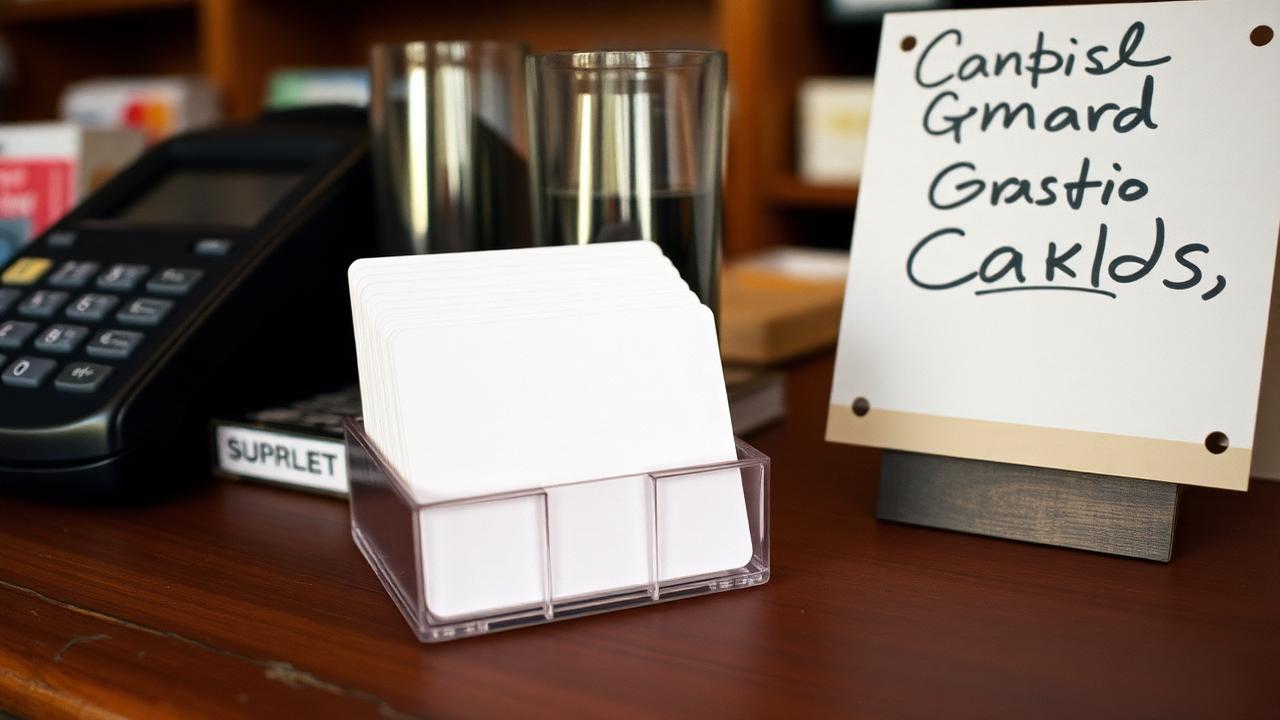
- Sell digital gift cards on your website, most gift purchases now happen on a phone at the last minute.
- Use prepaid packages (six blowouts, a facial series) to lock in repeat visits and smooth out slow weeks.
- Memberships work well for waxing, facials and med-spa treatments; store the card on file and bill monthly.
- Track breakage and redemption rates; they tell you whether your gift card program is actually profitable.
Retail product versus services
Selling shampoo and styling product is one of the better margin opportunities a salon has, but only if you can see it. Set up your POS with separate categories for service revenue and retail revenue, track retail inventory, and pull a monthly report showing retail as a percentage of total sales. Salons that measure it usually push it from about 5% to 12–15% of revenue just by paying attention and prompting at checkout.
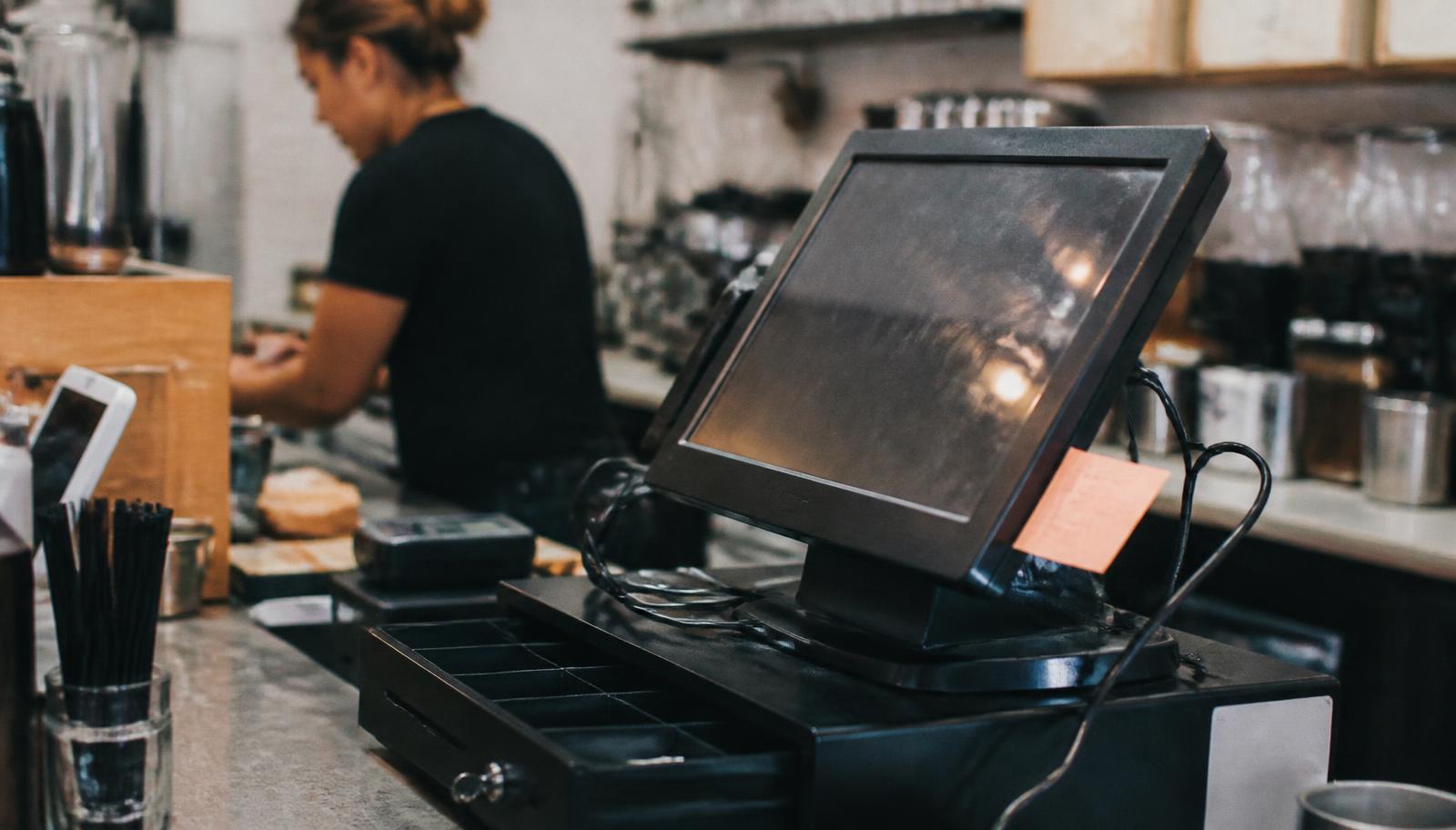
If you're choosing software, our POS system guide covers what to test before you commit.
What salon payments typically cost
| Item | Typical range | Notes |
|---|---|---|
| Card processing (in person) | 2.3% – 2.9% + 10–25¢ | Tips are included in the percentage |
| Booking / POS software | $0 – $99/mo | Often bundled with payments |
| Terminal or reader | $0 – $400 | Often included with an account |
| Online gift card sales | Same as card-not-present | Roughly 0.3–0.8% above in-person |
| Dispute fee | $15 – $40 | Per dispute, win or lose |
Because average tickets are moderate ($40–$250) and volume is steady, most salons do better on interchange-plus pricing than on a flat rate once they pass roughly $10,000 a month, the math is in our pricing comparison.
A clean setup checklist
- 1Terminal or POS with on-screen tip prompts and per-stylist attribution.
- 2Booking software with card-on-file and automated reminders.
- 3A written, visible cancellation policy that clients consent to at booking.
- 4Digital and physical gift cards, tracked as a liability.
- 5Separate service and retail categories in reporting.
- 6Independent renters on their own merchant accounts.
- 7Statement descriptor matching your salon's name on the window.
- 8Annual PCI questionnaire completed, see PCI basics.
Twin Cities salons and spas
We work with salons, barbershops, med spas, nail studios and suite renters across Minneapolis, St. Paul and greater Minnesota. The seasonal pattern here is real: holiday gift card season and spring wedding season carry a lot of the year, and February is quiet. We set up deposits, packages and gift card programs before those peaks rather than in the middle of them.
Want tipping, deposits and gift cards configured properly? Book a walkthrough or call 763-280-3155.
Frequently asked questions
Sources and references
Want this checked against your own statement?
Send us a recent processing statement and we'll mark it up line by line, what you're paying now, and what you'd pay with us. No pressure.