
Operations
How to prevent chargebacks and win card disputes
9 min read

Quick answer
Prevent chargebacks by making your business name obvious on the customer's statement, posting a clear refund policy, answering customers before they call their bank, taking payments in person with chip or tap whenever possible, and keeping receipts and delivery proof for at least 18 months. Most disputes you lose, you lose on missing paperwork.
Key takeaways
- A chargeback is not a refund, the customer's bank pulls the money back and you also pay a dispute fee.
- Confusing statement descriptors cause a large share of "I don't recognize this charge" disputes.
- Chip and tap payments shift fraud liability away from you; keyed and online sales don't.
- You typically have 7–30 days to respond, so build a habit of filing evidence as you go.
- Keeping your dispute rate under about 0.65% of transactions protects your account standing.
What a chargeback actually is
A chargeback happens when a cardholder contacts their bank instead of you and asks for their money back. The bank reverses the transaction, pulls the funds out of your account, and charges you a dispute fee, usually $15 to $40, whether or not you eventually win. That's the part that catches new business owners off guard: a chargeback costs you money even when you did nothing wrong, which is why prevention beats fighting every time.
A refund is different and cheaper. When you refund a customer directly you control the timing, you keep the relationship, and you don't get a dispute on your record. Almost every reason a customer files a chargeback is a reason they could have called you first, so a lot of prevention is really just being easy to reach.
Why customers file them
| Reason code family | What the customer says | What it usually means |
|---|---|---|
| Fraud | "I didn't make this purchase" | Stolen card, or a family member used it |
| Recognition | "I don't know what this charge is" | Your statement descriptor doesn't match your sign |
| Product or service | "It never arrived / wasn't as described" | Shipping delay or unclear product listing |
| Processing error | "I was charged twice" | Duplicate batch, or a tip adjusted incorrectly |
| Subscription | "I cancelled and got billed" | Cancellation wasn't easy or wasn't confirmed |
Notice how few of these are actual criminal fraud. Most are friction, confusion or a communication gap, all fixable without a lawyer.
Fix your statement descriptor first
This is the single highest-return change most businesses can make, and it takes one phone call. Your descriptor is the text that appears on the cardholder's bank statement. If your restaurant is called Birch & Bell but the charge shows up as "BB HOLDINGS LLC 8829", customers will not recognize it three weeks later, and some of them will call the bank instead of you.
- Use the name on your sign, menu or website, not your legal entity name.
- Include a short city or location cue if you have multiple sites.
- Add a phone number in the descriptor if your processor allows it; some customers will call it.
- Test it: run a small charge on your own card and look at how it appears in your banking app.
Prevention at the counter
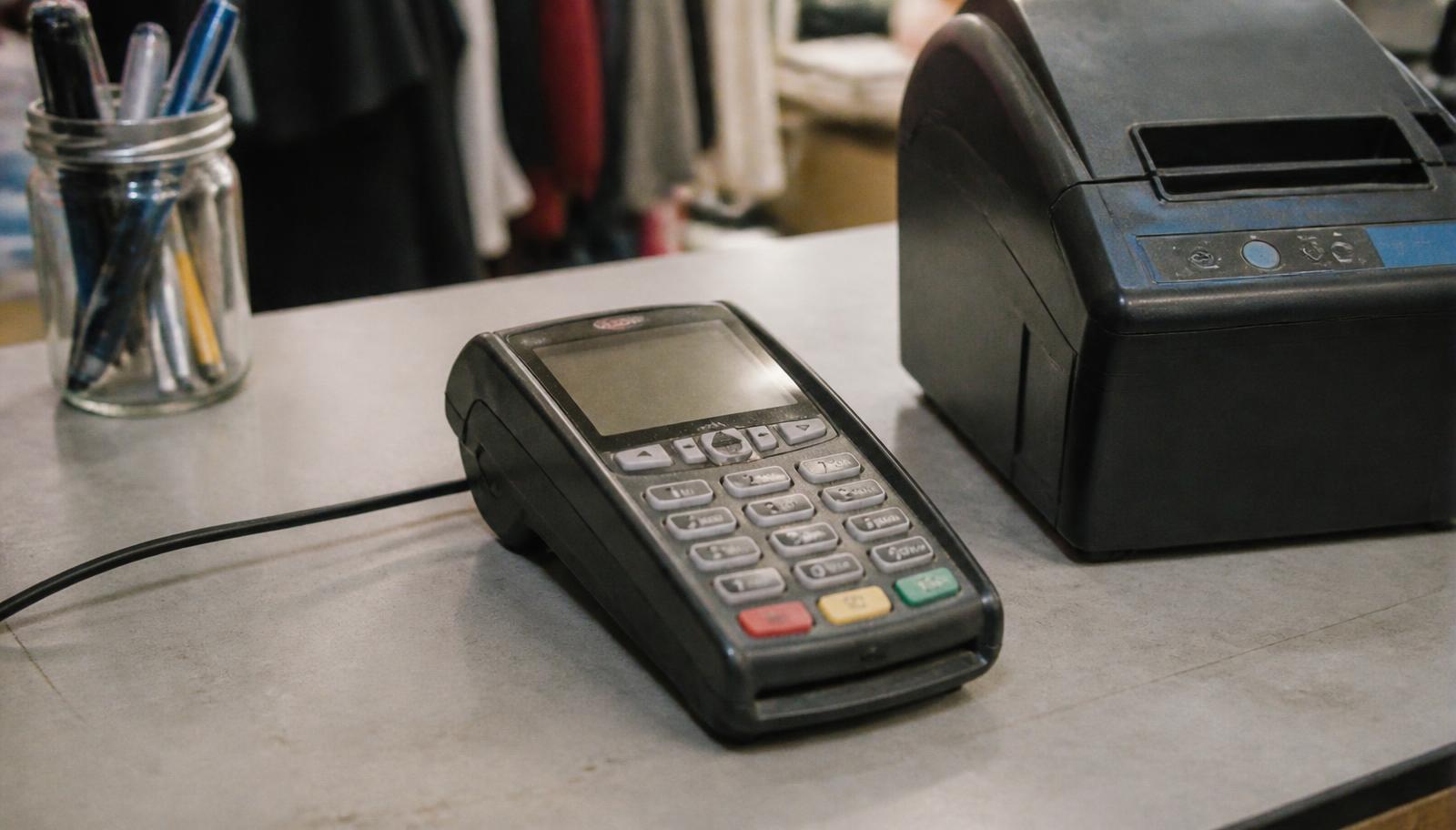
In-person payments are the safest sales you'll ever take, but only if you take them the right way. When a chip card is dipped or tapped and approved, liability for counterfeit fraud generally sits with the card issuer, not you. When that same card number is typed in by hand, liability shifts to your business. So the practical rule is simple: let the customer use the chip or tap, every time.
- Don't key a card because the reader is being slow, fix the reader.
- Keep signed receipts or terminal reports for at least 18 months; disputes can arrive months later.
- Print your refund and return policy on the receipt itself, not just on a wall sign.
- Train staff to add tips on the terminal rather than adjusting amounts after the fact.
- Batch daily so amounts on the customer's statement match what they remember paying.
Prevention for phone, invoice and online sales
Card-not-present sales are where disputes concentrate, because you can't see the customer or the card. The defense is documentation plus a few automated checks.
- 1Always collect and verify the billing ZIP code and the security code on the back of the card.
- 2Turn on 3-D Secure for online checkout where available, it shifts fraud liability on approved transactions.
- 3Send an emailed receipt immediately, with your business name, phone number and what was purchased.
- 4For shipped goods, use tracked delivery and require signature on anything high value.
- 5For services, get a short written approval, a text or email reply is fine, before you do the work.
- 6For deposits and recurring plans, get explicit written consent for the amount and schedule.

Make it easy to reach you
A customer who can get hold of you within a day rarely calls their bank. Post a real phone number on your website, answer it or return calls the same day, and reply to messages on whatever channel your customers actually use. Publish your refund window in plain words: "Return anything unused within 30 days for a full refund." Vague or hostile policies generate disputes; clear ones prevent them.
How to fight a dispute and win
When a chargeback arrives you'll get a notice with a reason code and a deadline, often 7 to 30 days depending on the card brand and your processor. Your response, called a representment, is essentially an evidence packet. Banks decide these quickly, so be organized and specific rather than emotional.
| Dispute type | Send this |
|---|---|
| Unrecognized charge | Signed receipt or terminal record, descriptor explanation, date and time |
| Fraud on a card-present sale | Terminal report showing chip or tap authorization |
| Item not received | Tracking number, delivery confirmation, signature |
| Not as described | Product listing, photos, your policy, any customer messages |
| Duplicate charge | Batch reports showing two separate sales, or proof you already refunded |
| Cancelled subscription | Sign-up consent, terms, cancellation log and dates |
Write a short cover note, five or six sentences, that states what was sold, when, how it was authorized, and which attachment proves each point. Reference the reason code. Then attach everything as clear, readable files. Vague submissions lose; tidy ones win far more often than owners expect.
Keep an eye on your dispute ratio
Card brands watch the percentage of your transactions that turn into disputes. Programs kick in around 0.65% to 0.9% depending on the network, and consequences escalate from monitoring to fines to, in bad cases, losing your account. If your ratio is climbing, your processor should tell you early rather than after a fine. Businesses in higher-risk categories get watched more closely from day one, so the habits above matter even more there.
Build a five-minute weekly habit
- 1Check your dispute inbox or portal once a week, deadlines are short and unforgiving.
- 2Skim the week's refunds for patterns: same product, same staff member, same shift?
- 3File tracking numbers and signed slips in one folder, named by date.
- 4Once a quarter, run a test charge and check your descriptor still reads correctly.
Dispute fees are also part of your true cost of accepting cards, alongside everything in our guide to credit card processing fees. Cutting them is one of the quieter ways to lower your processing costs.
Local help in the Twin Cities
We work with restaurants, retailers, salons, clinics and contractors across Minneapolis, St. Paul and greater Minnesota. Seasonal businesses here see dispute spikes after big event weekends and holiday shopping, so we help set up descriptors, receipt templates and staff scripts before the busy stretch rather than during it.
If you're getting disputes and can't tell why, we'll review a month of them with you. Book a walkthrough or call 763-280-3155.
Frequently asked questions
Sources and references
Want this checked against your own statement?
Send us a recent processing statement and we'll mark it up line by line, what you're paying now, and what you'd pay with us. No pressure.