
Industries
Payment processing for retail stores
8 min read
Quick answer
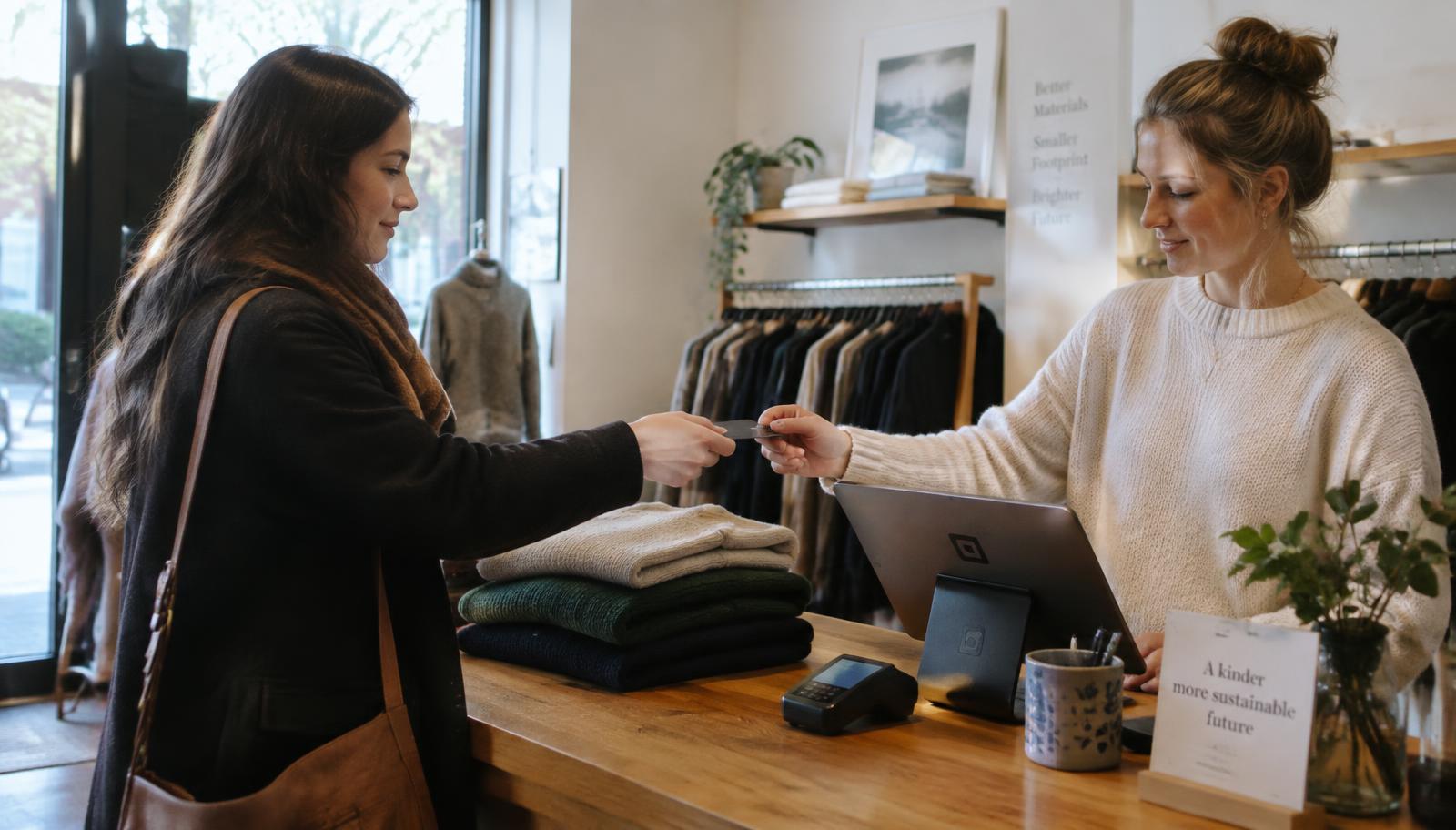
Retail stores need payment processing built around fast checkout, inventory tracking, and easy returns, not just a card reader. The best setup pairs a POS system that talks to your inventory with a processor that supports gift cards, tap-to-pay, and online sales if you have a website, all under one clear pricing plan.
Key takeaways
- Checkout speed directly affects sales during busy hours, a slow line loses browsers-turned-buyers.
- Inventory-linked POS eliminates manual stock counts and catches shrinkage that a separate register can't.
- Returns and exchanges need to be built into your system, not handled as manual refunds after the fact.
- Gift cards and loyalty drive repeat visits and should run through the same system as your register.
- If you sell online too, your in-store and online payments should share one system so inventory and reporting stay accurate.
Retail is a different animal than other businesses
A restaurant needs tableside payments and tip prompts. A contractor needs to invoice from a job site. Retail has its own set of problems: lines that need to move fast, inventory that has to match what's actually on the shelf, and a constant stream of returns and exchanges. A generic card reader technically processes payments, but it doesn't solve any of that, you need a system built around how a retail floor actually runs.
Checkout speed: the number that affects your sales
In retail, a slow checkout line isn't just an inconvenience, it's lost revenue. Customers abandon purchases when the line is too long, and a clunky card terminal that takes 15 seconds to process adds up fast during a Saturday rush. Modern retail terminals process tap-to-pay in under two seconds, and a good POS lets your staff ring up a sale, apply a discount, and take payment in one continuous motion instead of switching screens.
- Tap-to-pay (contactless) cuts transaction time roughly in half compared to chip insert.
- A single connected system for ringing up items and taking payment avoids double entry.
- Mobile checkout lets staff ring up customers anywhere on the floor during busy periods, not just at a fixed register.
- Barcode scanning integrated with your POS avoids manual price lookups that slow down the line.
For the hardware side of this, see our comparison of options in credit card machines for small business and what tap-to-pay devices actually add in tap-to-pay mobile card readers.
Why inventory-linked POS matters more than the payment part
The biggest upgrade most retail stores make isn't in how they take the card, it's in what the system does with that sale afterward. A payment-only terminal knows a sale happened. An inventory-linked POS knows exactly which item sold, updates your stock count in real time, flags when you're low, and tells you which items are actually profitable versus which ones are just taking up shelf space.
What to look for in retail POS inventory features
| Feature | Why it matters |
|---|---|
| Real-time stock counts | Prevents selling items you don't actually have, especially if you also sell online |
| Low-stock alerts | Stops you from finding out you're out of a bestseller at the register |
| Multi-location inventory | Essential if you have more than one storefront or a stockroom |
| Vendor and purchase order tracking | Ties restocking directly to sales data instead of guesswork |
| Shrinkage / variance reports | Flags theft or counting errors that a plain register never catches |
Our full breakdown of how to evaluate systems is in best POS system for small business, for retail specifically, weight inventory features heavily, since that's where a generic system usually falls short.
Returns and exchanges: build it into the system, not around it
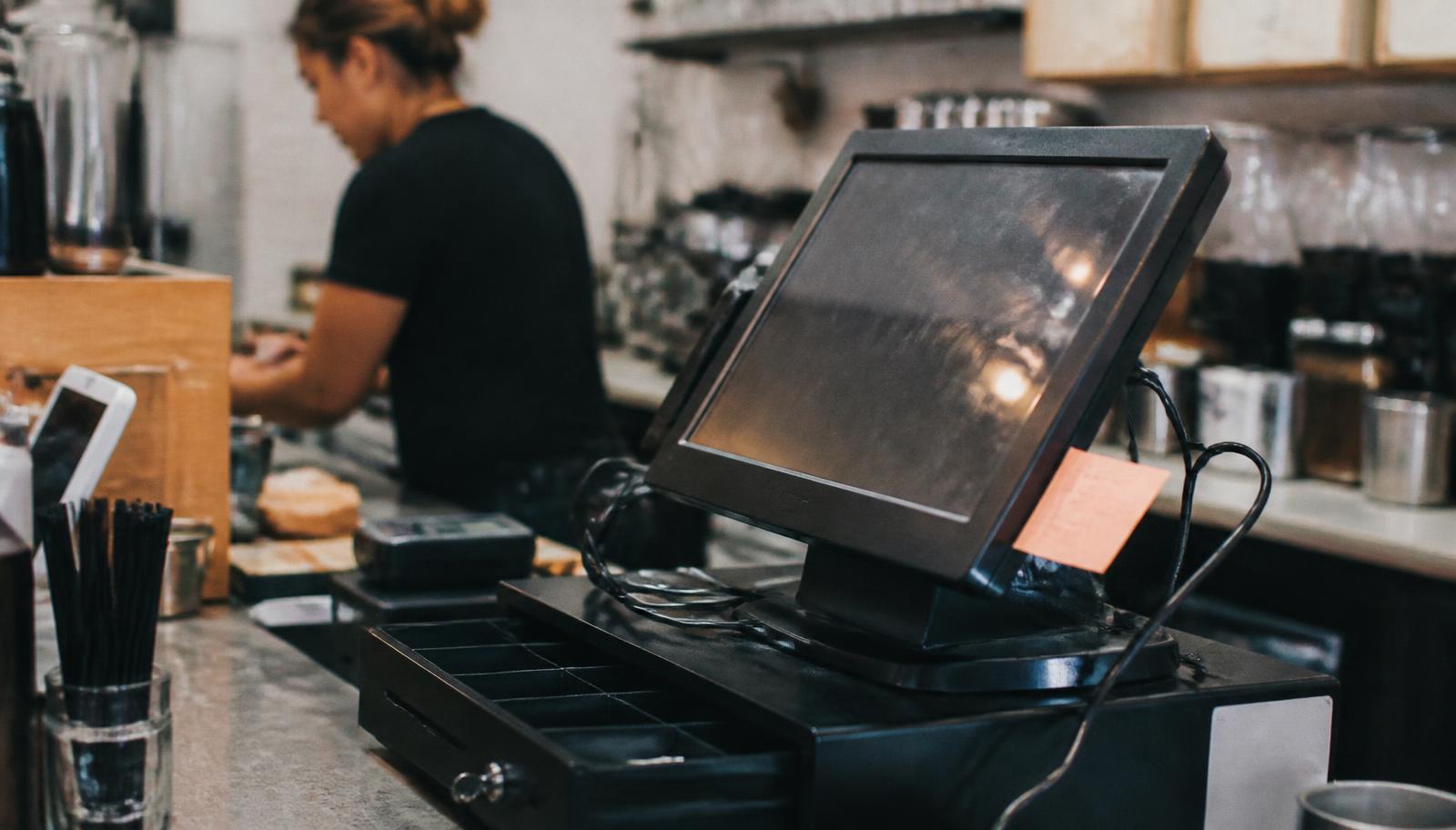
Retail has a return rate that other business types don't, and how you handle it affects both customer trust and your bookkeeping. A system that can only take payments, not process returns cleanly, forces staff into manual refunds, cash-register workarounds, or awkward IOUs, all of which create accounting headaches and customer frustration.
- Refunds should route back to the original payment method automatically, not require a manual card entry.
- Exchanges should be handled as a single transaction (return + new sale), not two disconnected ones.
- Store credit should be trackable in the same system as gift cards.
- Your reporting should separate returns from sales so your real revenue numbers stay accurate.
Gift cards, loyalty, and repeat visits
Retail runs on repeat customers more than any single big sale. Gift cards bring in new customers who've never visited before, and a loyalty program built into your POS keeps regulars coming back without a separate app or clunky punch card. Our detailed guide on gift cards and loyalty for small business covers setup, cost, and the legal rules around expiration.
Selling in-store and online at the same time
Many retail stores now sell both on the floor and through a website, omnichannel, in industry terms. The mistake is running these through two disconnected systems: one inventory count for the store, another for the website, updated by hand at the end of the day. That's where stock discrepancies and overselling come from.
| Setup | Pros | Cons |
|---|---|---|
| One POS + online store, shared inventory | Real-time stock accuracy, one report, fewer overselling issues | Requires choosing a platform that supports both |
| Separate register and separate e-commerce platform | Sometimes cheaper up front | Manual syncing, common overselling, duplicated reporting |
If you're building out or upgrading your online side, online payment processing for small business covers how card-not-present fees and fraud protections differ from in-store sales.
What it should all cost
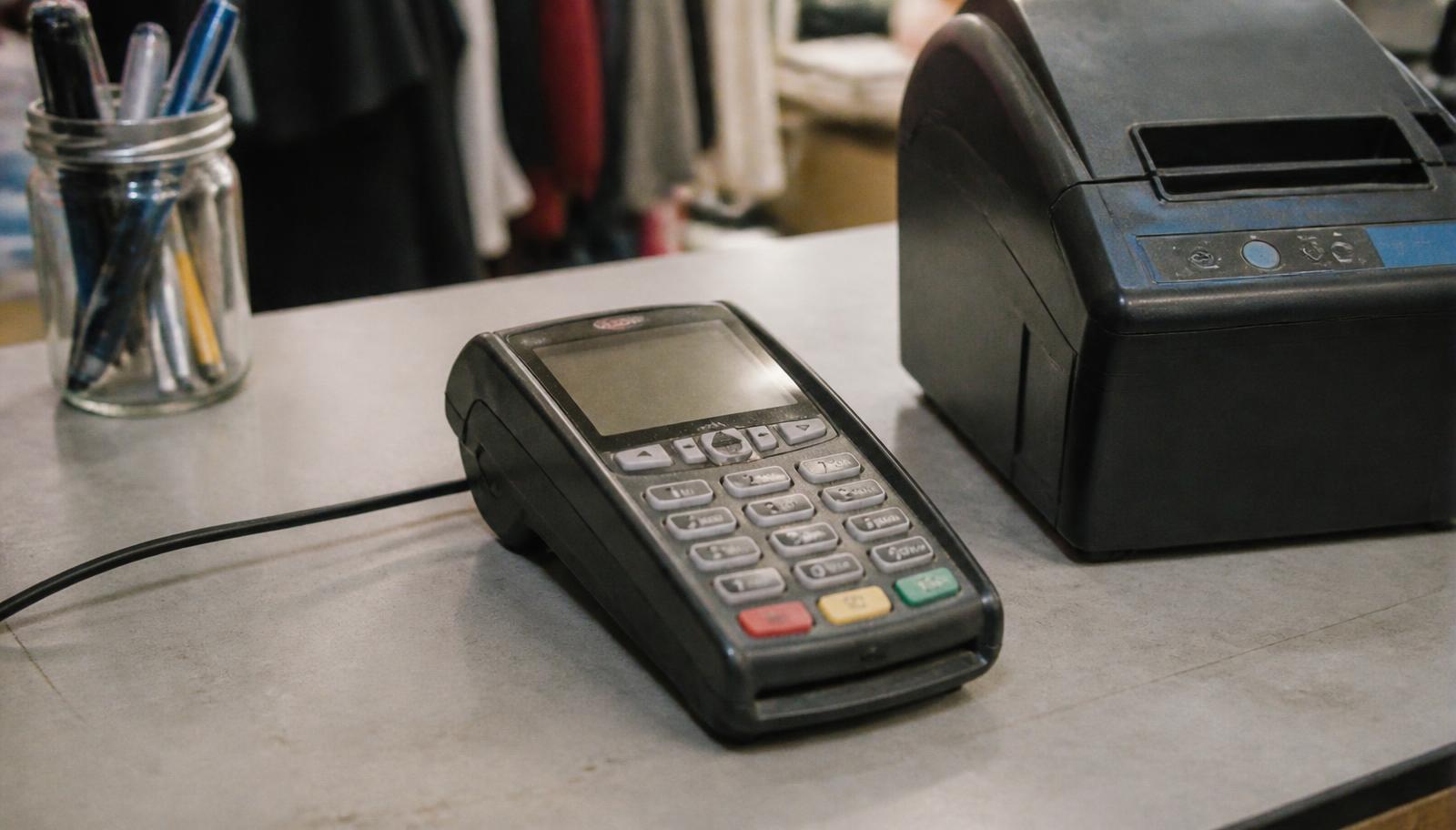
Retail processing rates typically run in a similar range to other card-present businesses, since swipe/tap/chip transactions carry lower risk than online sales. The bigger cost differences come from equipment, POS software fees, and whether you're on flat-rate or interchange-plus pricing. Our processing fees explained guide and interchange-plus vs. flat-rate comparison both apply directly to retail.
Minnesota businesses
We set up retail payment systems for boutiques, hardware stores, gift shops and multi-location retailers across Minneapolis, St. Paul and greater Minnesota. Seasonal foot traffic swings hard here, from summer festival crowds to the holiday shopping rush, so we set up systems that can handle a quiet Tuesday and a packed Small Business Saturday without missing a beat.
Want a system built for how your store actually runs? Book a free consultation or call 763-280-3155.
Frequently asked questions
Sources and references
Want this checked against your own statement?
Send us a recent processing statement and we'll mark it up line by line, what you're paying now, and what you'd pay with us. No pressure.