
Growth
Gift cards and loyalty programs for small business
8 min read
Quick answer
Gift cards bring in cash before you deliver anything and often lead to customers spending more than the card's value. Loyalty programs work best when they're simple, tied to your point-of-sale, and worth a visible reward within a few visits. Both should run through the same system you take payments on.
Key takeaways
- Gift card sales are a liability until redeemed, never treat them as revenue on day one.
- Digital gift cards outsell physical ones for last-minute gifts; offer both.
- Loyalty programs fail when the reward is too far away; aim for a payoff within 4–6 visits.
- State laws restrict expiration dates and fees, and unredeemed balances may become unclaimed property.
- Keep gift cards and loyalty inside your POS so you don't pay for a second system or lose the data.
Why gift cards are worth the effort
A gift card is the rare product where a customer pays you now for something you deliver later. For a small business, that's working capital arriving in November for services rendered in February. It also brings in a new person: the recipient is often someone who has never been to your shop, and they arrive holding a reason to walk in. And when they redeem, they routinely spend past the card balance, a $50 card frequently turns into a $72 ticket.
Then there's breakage: a share of gift card value is never redeemed at all. It's a real effect, though not one to build a business on, and it comes with legal strings attached that we'll get to.
Digital, physical, or both
| Format | Cost | Strength | Weakness |
|---|---|---|---|
| Digital / emailed | Usually free or a small fee | Bought at 11pm on the 24th of December | No physical gift to hand over |
| Plastic cards | $0.30 – $1.00 each printed | Visible at the counter, feels like a real gift | Inventory, and lost cards |
| Paper certificate | Near zero | Cheap to start | Easy to forge, hard to track |
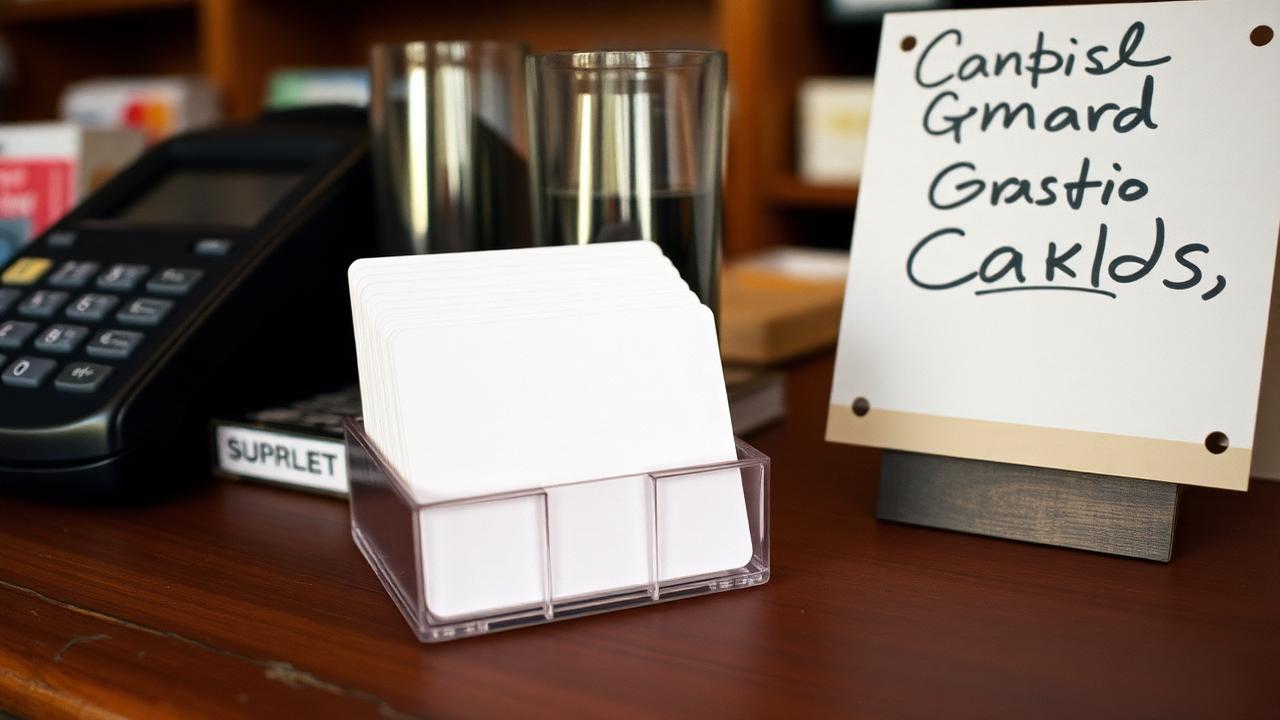
Run both digital and plastic if you can. Physical cards sell at the counter because people see them; digital cards capture the last-minute buyer who is shopping on a phone. Keep the plastic ones in a stand at the register rather than in a drawer, displayed gift cards outsell hidden ones by a wide margin, which sounds obvious and is still the most common mistake.
The accounting, plainly
When you sell a $100 gift card, you have $100 in cash and a $100 obligation. It is not revenue yet. Revenue is recognized when the card is redeemed and you actually provide the goods or service. Businesses that skip this step have a great December, spend the money, and then find that January and February sales are being delivered against cash that's already gone.
- Record gift card sales to a liability account, not sales.
- Recognize revenue at redemption, in the category actually purchased.
- You pay card processing fees on the initial sale, not again at redemption.
- Track outstanding balance as a single number and review it monthly.
- Talk to your accountant about how and when to recognize long-outstanding breakage, the rules vary.
The legal side: expiration, fees, unclaimed property
Federal law under the CARD Act sets a floor: gift card funds generally can't expire for at least five years from the date the money was loaded, and inactivity fees are heavily restricted. States then add their own rules, and some are stricter. Several states also treat long-unredeemed balances as unclaimed property that must eventually be reported and remitted rather than kept.
Practical version: don't print expiration dates, don't charge inactivity fees, keep clean records of issued and redeemed balances, and know your state's unclaimed property expectations. Good POS reporting makes all of this a non-event.
Loyalty programs: what actually works
Most small business loyalty programs fail for one of three reasons: the reward is too far away, enrolling is annoying, or nobody at the counter mentions it. Fix those three and a simple program outperforms an elaborate one every time.
| Type | How it works | Best for |
|---|---|---|
| Punch / visit-based | 10th coffee free | Cafes, quick service, car washes |
| Points on spend | 1 point per $1, $5 off at 100 points | Retail, salons, restaurants |
| Tiered | Spend more, unlock better perks | Higher-ticket retail, med spas |
| Paid membership | Monthly fee for standing perks | Waxing, facials, dog grooming, gyms |
| Cashback credit | Earn store credit automatically | Repeat-purchase retail |
Whatever you pick, design the reward so a regular customer hits it within about four to six visits. If it takes twelve, they'll never get there and the program becomes invisible. And keep the math legible: "$5 off every $100 you spend" is understood instantly; a points-to-tier-multiplier scheme is not.
Keep it inside your point of sale
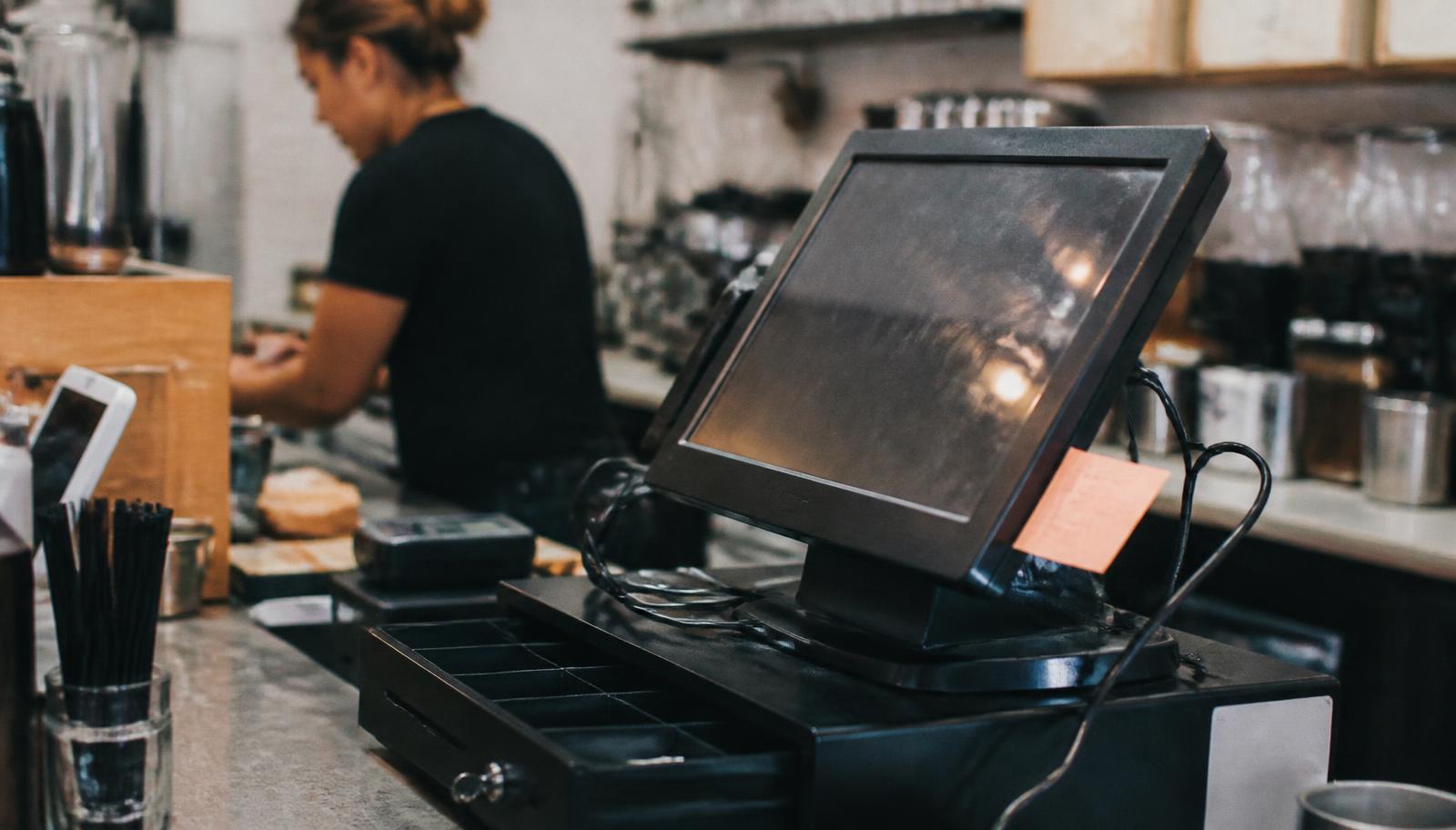
The single biggest predictor of whether a loyalty program survives is whether it's part of the register your staff already use. A standalone app means an extra step, an extra login, an extra subscription, and a customer list you can't cross-reference with sales. When loyalty is built into the POS, enrollment is a phone number at checkout, the balance shows on screen automatically, and you can actually see which customers are worth marketing to.
It also means one fewer monthly fee. If you're evaluating systems, our POS system guide covers what to test before you buy. And if you're planning a processor change, note that gift card and loyalty balances often can't migrate, read the warning in how to switch payment processors first.
What it all costs
| Item | Typical cost |
|---|---|
| Plastic card printing | $0.30 – $1.00 per card, minimum order |
| Gift card module in POS | $0 – $25/mo |
| Digital gift card sales | Standard online card rate |
| Loyalty module in POS | $0 – $40/mo |
| Standalone loyalty app | $50 – $200/mo, usually not worth it |
| Card display stand | $15 – $40, one time |
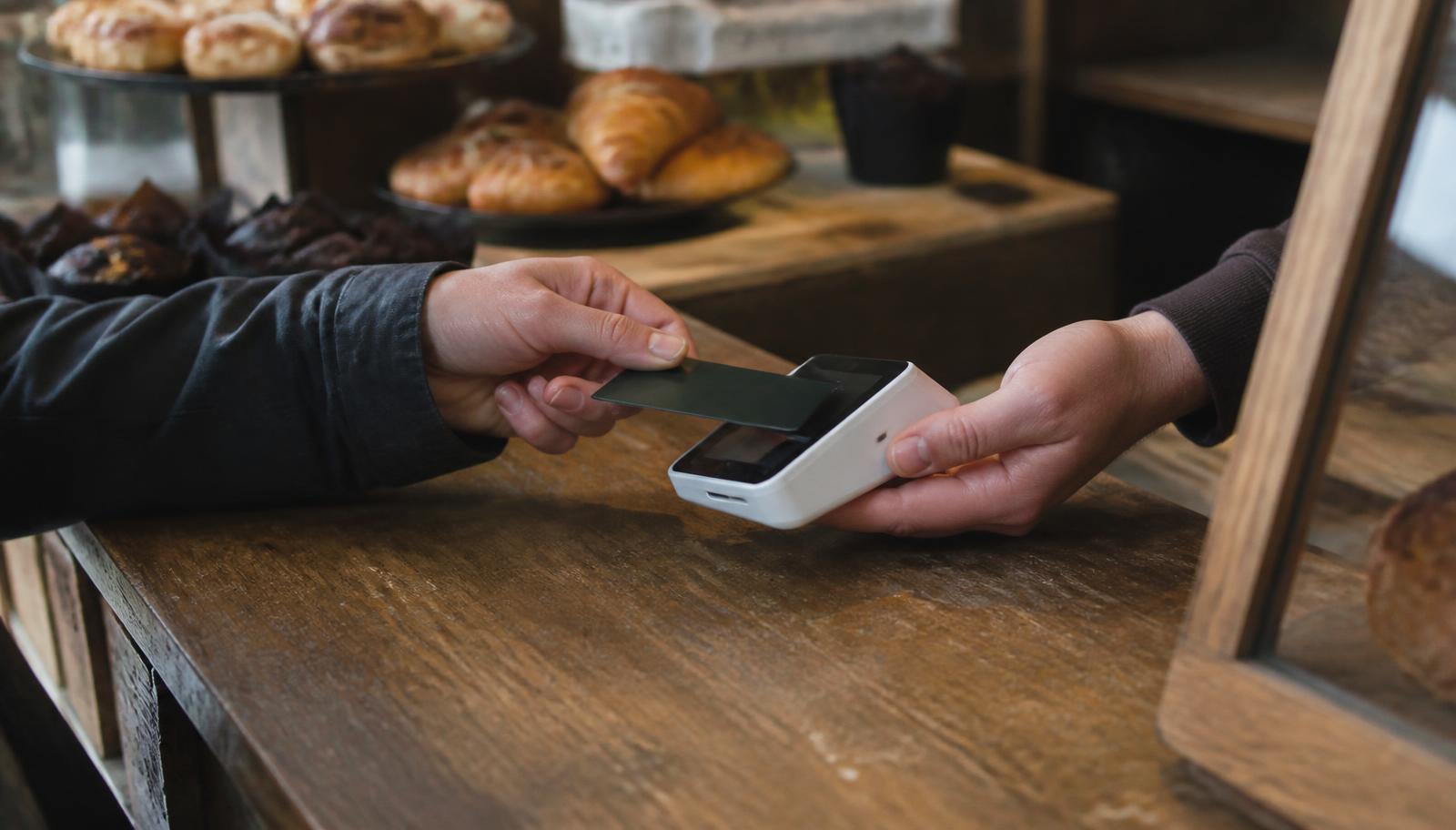
Note that a gift card purchase is a normal card sale, so standard processing fees apply, the same ones covered in our fee breakdown. Online gift card sales are card-not-present, so slightly more expensive; see online payment processing.
Selling more of them
- 1Put the display where people wait, not behind the counter.
- 2Add gift cards to your website's main navigation, not a buried page.
- 3Run a seasonal bonus: "$50 card, get a $10 card for yourself", this outperforms discounting.
- 4Train one sentence at checkout: "Want to add a gift card? They're by the register."
- 5Sell to businesses in December, client gifts and staff rewards move in bulk.
- 6For services, sell experiences instead of amounts: "the 60-minute massage" beats "$95."
Measuring whether it's working
- Redemption rate: what share of issued value gets used, and how fast?
- Uplift on redemption: average ticket when a gift card is used versus normal.
- New customer rate: how many redeemers had never visited before?
- Loyalty enrollment rate: percentage of transactions attached to a member.
- Visit frequency for members versus non-members, this is the number that justifies the program.
- Outstanding liability: is it growing faster than redemptions?
Check these quarterly. If member visit frequency isn't measurably higher than non-member frequency after six months, the reward is too small or too far away, change one variable and measure again.
Minnesota businesses
We set up gift card and loyalty programs for cafes, salons, restaurants and retailers across Minneapolis, St. Paul and greater Minnesota. Timing matters here more than most places: holiday gift card season and the shift from patio to indoor traffic both shape when a program should launch. We aim to have cards printed and the POS configured before Thanksgiving, not during it.
Want a program that runs on the system you already use? Book a walkthrough or call 763-280-3155.
Frequently asked questions
Sources and references
Want this checked against your own statement?
Send us a recent processing statement and we'll mark it up line by line, what you're paying now, and what you'd pay with us. No pressure.