
Getting started
Payment gateway vs. merchant account
7 min read

Quick answer
A payment gateway securely captures and transmits card details from a checkout page or terminal, while a merchant account is where the actual money settles before moving to your bank. Most businesses need both, either as separate pieces or bundled together through an all-in-one provider.
Key takeaways
- A gateway moves the transaction data; a merchant account moves the money, they're two different jobs.
- Most online sellers need both a gateway and a merchant account, whether bought separately or bundled.
- All-in-one providers combine both into one login and one bill, trading some flexibility for simplicity.
- Separate gateway + merchant account setups usually cost less per transaction at higher volumes.
- Switching either piece later is possible but easier to plan for at setup than to untangle afterward.
Two different jobs, often confused as one
Merchants often use 'payment gateway' and 'merchant account' interchangeably, but they do genuinely different work, and understanding the split makes every other decision about online payments easier. Think of it like a package going through the mail: the gateway is the truck that picks up the package and gets it moving; the merchant account is the warehouse where it's held and sorted before it reaches your address. You generally need both to get from a customer's card to your bank account.
What a payment gateway actually does
A payment gateway is the technology that captures card information at checkout, online, over the phone, or through a virtual terminal, and securely transmits it to be authorized. It encrypts the data, checks for basic fraud red flags, and sends back an approved or declined response in a second or two. The gateway itself doesn't hold or move your money; it's purely the messenger.
- Captures card details from a checkout page, invoice link, or virtual terminal.
- Encrypts and securely transmits transaction data for authorization.
- Returns an approve/decline response almost instantly.
- Often includes basic fraud screening tools (AVS checks, CVV verification).
- Sometimes stores card details securely (tokenization) for recurring billing.
What a merchant account actually does
A merchant account is the account that actually holds and settles the money from a card transaction before it lands in your business bank account. It's set up through a bank or processor and involves underwriting, a review of your business to decide the terms you'll get. For a full explanation of that setup process, see how to get a merchant account.
- Holds the settled funds from approved transactions temporarily.
- Moves funds into your business bank account on a set schedule (often next-day).
- Requires underwriting and approval based on your business type and risk.
- Is where your actual processing fees and rates are applied.
- Is tied to your business identity, not just your website or software.
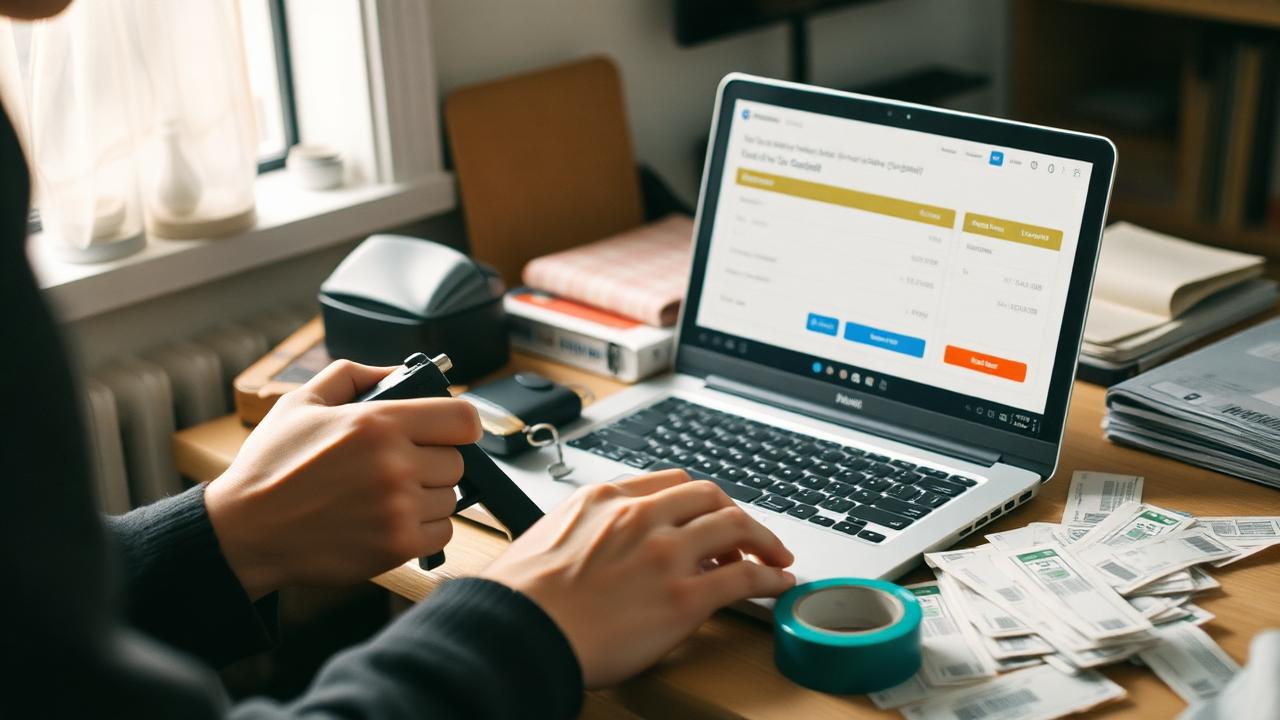
Side-by-side comparison
| Payment gateway | Merchant account | |
|---|---|---|
| Job | Captures and transmits transaction data | Holds and settles the actual funds |
| Where it lives | Your website, app, or virtual terminal | Behind the scenes with your processor/bank |
| Setup requirement | Technical integration | Underwriting and approval |
| What it costs | Per-transaction or monthly gateway fee | Processing rate (interchange + markup) plus account fees |
| Needed for in-person sales? | Not usually, unless using a virtual terminal | Yes, always |
| Needed for online sales? | Yes | Yes |
When you need both, and when one covers it
If you sell online at all, you need a gateway. If you accept cards at all, in any form, you need a merchant account behind it. The question isn't usually whether you need both, it's whether you buy them separately or through a provider that bundles them together.
All-in-one providers
Many modern providers combine the gateway and the merchant account into a single product with one login, one statement, and one support line. This is genuinely simpler to set up and manage, especially for a new or smaller business. The tradeoff is usually less flexibility to negotiate rates and, in some cases, a system that lumps many merchants together under one master account, which can mean faster holds or reviews if your volume spikes suddenly.
| Setup | Best for | Tradeoff |
|---|---|---|
| All-in-one (bundled) | New businesses, low-to-moderate volume, simplicity | Less rate negotiation, sometimes higher per-transaction cost |
| Separate gateway + merchant account | Established businesses, higher volume, custom needs | More setup steps, but usually lower cost at scale and full control over your own dedicated account |
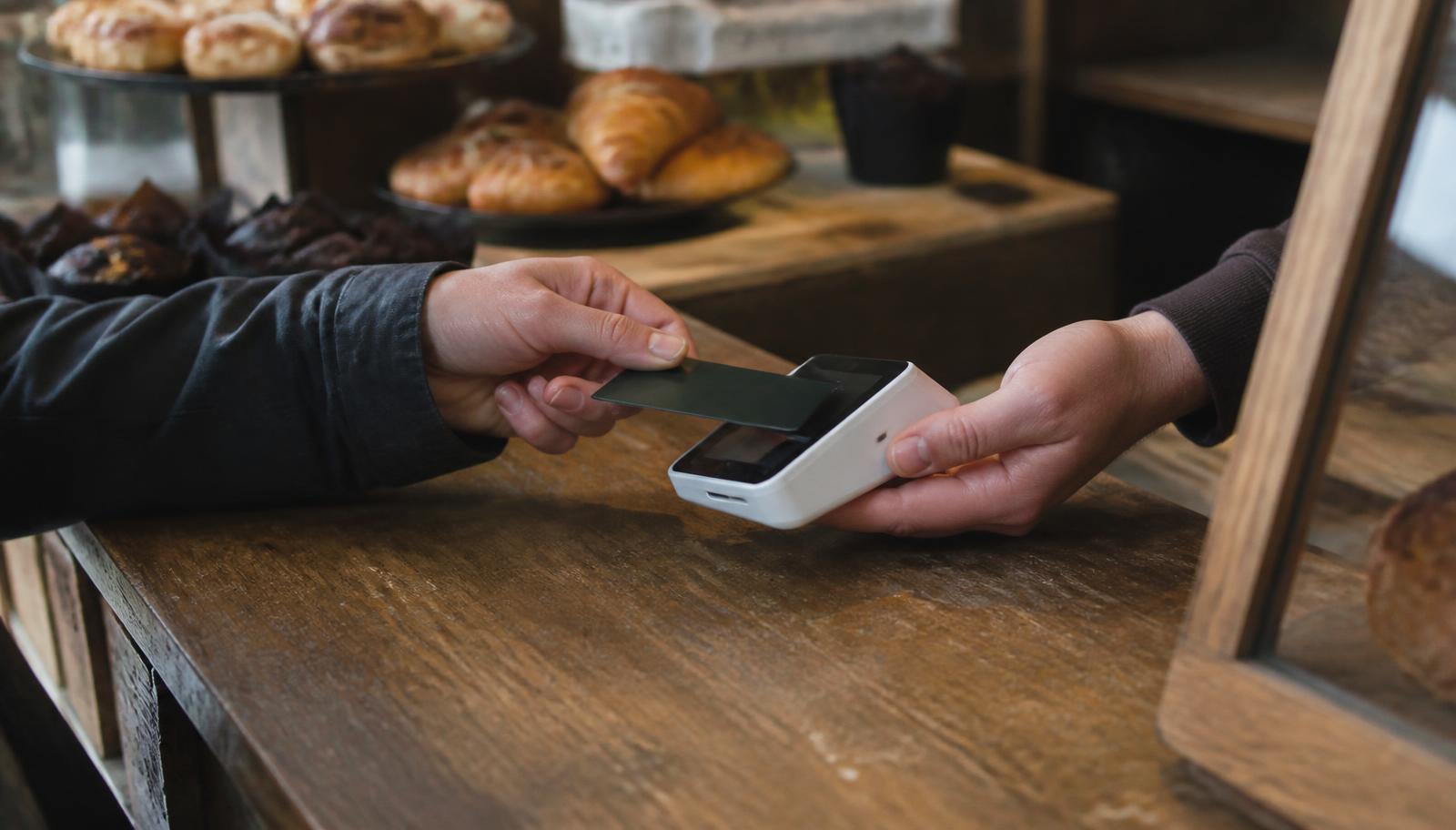
What it all costs
Gateway fees are typically a small monthly fee (often $10–$25) plus a small per-transaction charge (around $0.05–$0.30). Merchant account costs are the bulk of your processing bill, the interchange rate set by the card networks plus a markup from your processor. For the full breakdown of where that money actually goes, see credit card processing fees explained and how the two pricing models compare in interchange-plus vs. flat-rate pricing.
- Gateway: monthly fee + small per-transaction fee
- Merchant account: interchange rate + processor markup, often 2%–3.5% depending on card type and business risk
- All-in-one providers: usually one flat percentage that covers both
- Watch for hidden extras on either side, see our guide to hidden credit card processing fees
Making the right choice for your business
- 1If you're brand new and want simplicity, start with an all-in-one provider.
- 2If you're processing meaningful volume ($10,000+/month), get a quote for a separate gateway + dedicated merchant account and compare the real cost.
- 3If you sell both online and in person, make sure whatever you choose reports everything in one place.
- 4If you're in a specialty or higher-risk industry, plan for a dedicated merchant account from the start rather than hoping a generic bundled provider will keep you.
- 5Either way, read your statement in the first month to confirm the rate you were quoted is the rate you're actually getting.
Minnesota businesses
We help online and hybrid businesses across Minneapolis, St. Paul and greater Minnesota choose between a bundled provider and a dedicated gateway-plus-merchant-account setup based on actual volume, not guesswork. We'll show you real numbers for both so you're not choosing blind.
Not sure which setup fits your business? Book a free consultation or call 763-280-3155 and we'll walk through the numbers with you.
Frequently asked questions
Sources and references
Want this checked against your own statement?
Send us a recent processing statement and we'll mark it up line by line, what you're paying now, and what you'd pay with us. No pressure.