
Pricing
How to lower your credit card processing fees
9 min read

Quick answer
To lower credit card processing fees, start by pulling your last statement and finding your effective rate, then cut junk monthly fees, move to interchange-plus pricing, make sure every sale is keyed or swiped correctly, batch daily, and ask for a rate review once a year. Most small businesses find 0.3%–1% of savings this way.
Key takeaways
- Find your effective rate first: total fees divided by total card sales.
- Most savings come from three places, pricing model, junk fees, and how sales are entered.
- Interchange itself is not negotiable, but your processor's markup always is.
- Batching late, keying cards by hand, and missing address info all push sales into pricier categories.
- Ask for a written rate review every 12 months instead of waiting for a surprise increase.
Start with one number: your effective rate
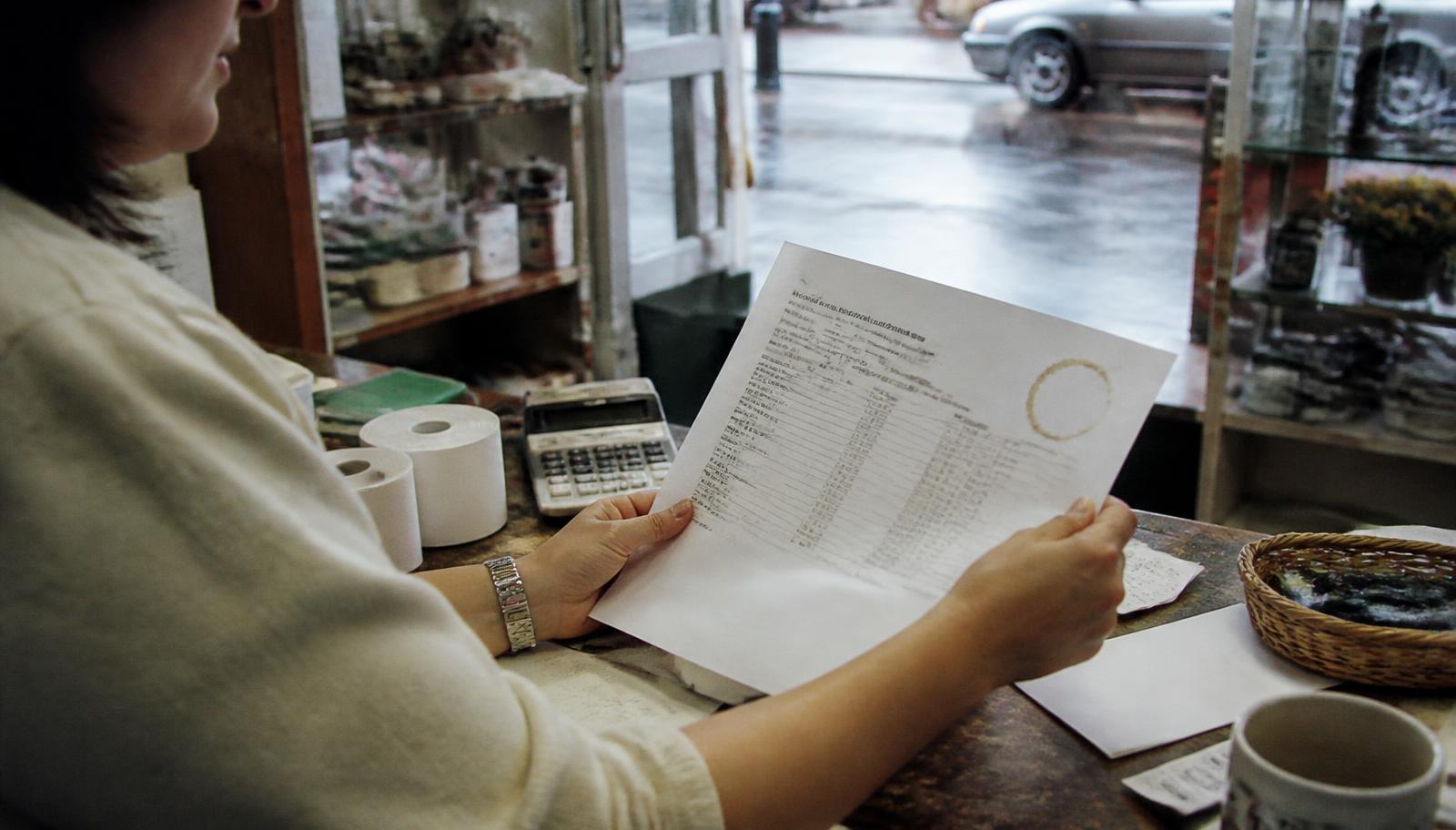
Before you shop around or argue with anyone, work out your effective rate. Take every fee on last month's statement, the percentage fees, the per-item fees, the monthly charges, the odd $9.95 lines you don't recognize, add them up, and divide by your total card sales for the month. If you took $42,000 in card sales and paid $1,180 in total fees, your effective rate is 2.81%. That single number is the only fair way to compare one processor to another, because every provider labels their fees differently. Anyone who quotes you a rate without asking to see a statement is quoting a marketing number, not your number.
Most small retail and service businesses land somewhere between 2.4% and 3.3% effective. Restaurants with lots of small tickets often run higher because the per-transaction fee hits harder on a $9 coffee than on a $190 repair bill. If you want the plain-English version of what those line items mean, our guide to credit card processing fees breaks each one down.
1. Learn which part of the fee is actually negotiable
A card fee has three layers. Interchange goes to the bank that issued your customer's card, and it is fixed by Visa, Mastercard, Discover and American Express, nobody, at any company, can discount it for you. Assessments go to the card networks and are also fixed. The third layer, the processor's markup, is the only part that is genuinely up for discussion. When a sales rep promises to "beat your rate," they can only ever be talking about that third layer, so the honest question to ask is: what is your markup over interchange, in writing?
2. Move to interchange-plus pricing
Flat-rate pricing (one number for everything, like 2.9% + 30 cents) is simple and fine when you're brand new. Once you're doing steady volume, it usually costs more than it needs to, because you pay the same rate whether the customer taps a plain debit card that costs almost nothing to process or a premium rewards card that costs a lot. Interchange-plus passes through the true cost of each card and adds one clear markup on top. You'll see more lines on your statement, but you'll stop overpaying on your cheapest transactions. We compare the two side by side in interchange-plus vs flat-rate pricing.
| Card mix | Flat rate 2.9% + 30¢ | Interchange-plus (cost + 0.30% + 10¢) |
|---|---|---|
| $15,000 debit, 900 sales | $705 | $375 |
| $20,000 standard credit, 700 sales | $790 | $650 |
| $7,000 rewards credit, 200 sales | $263 | $255 |
| Total on $42,000 | $1,758 | $1,280 |
The exact numbers depend on your card mix and average ticket, which is why nobody should promise you a savings figure before they've read your statement. But the shape of the result is consistent: the more debit you take, the more flat-rate pricing costs you.
3. Cut the monthly fees that do nothing
This is the fastest money on the table. Statement fees, "PCI non-compliance" fees, gateway fees for a gateway you don't use, terminal insurance, IRS reporting fees, batch fees, minimum-charge fees, a stack of $8 to $40 charges can quietly add $600 a year. Two of them deserve special attention: a PCI non-compliance fee usually means you never finished a short annual questionnaire, and finishing it makes the fee go away. And a monthly minimum fee means you're being charged for not spending enough on fees, which is worth pushing back on.
4. Stop keying cards by hand when you don't have to
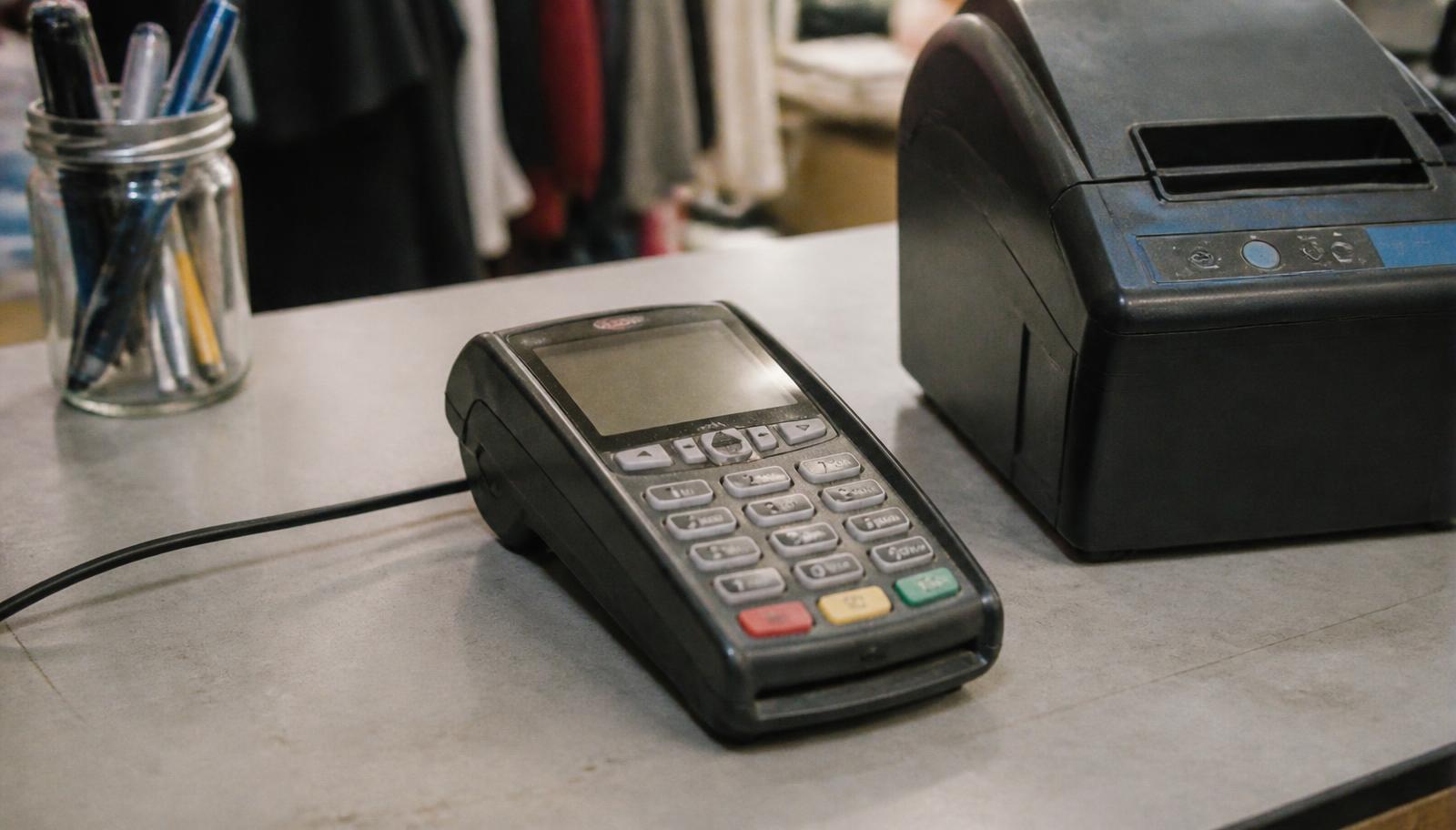
A card that's tapped, dipped or swiped in person is the cheapest way to take a payment because the risk of fraud is lowest. Typing the number in by hand, what processors call keyed or card-not-present, moves that sale into a more expensive category, often 0.3% to 0.8% higher. If your staff keys sales because the terminal is awkward to reach or the chip reader is flaky, that's a hardware problem costing you real money. Fix the terminal placement or replace the reader; see our rundown of card machines for small business for what modern units cost.
When you genuinely have to key a card, phone orders, deposits, invoices, always enter the billing ZIP code and the three-digit security code. Those two fields alone can qualify the sale for a better rate, and they take four seconds.
5. Batch out every single day
Authorizations that sit unsettled overnight can downgrade to a higher-cost category, and you also delay your own deposit. Most terminals can auto-batch at a set time. Turn that on, pick a time after you close, and stop relying on someone remembering to press a button at the end of a double shift.
6. Set a card minimum instead of eating tiny sales
Card brand rules let US merchants require a minimum purchase amount of up to $10 for credit cards. On a $2 sale, the per-transaction fee alone can be a chunk of your margin. A modest, clearly posted minimum, or a small "add it to a bigger order" nudge from your staff, protects the low end of your ticket range without annoying anyone.
7. Look hard at surcharging or a cash discount
If you want your fee bill closer to zero rather than merely lower, passing the cost to the customer is the only way to get there. It's legal in most states with the right signage and caps, it can never be applied to debit cards, and it does change how checkout feels. Read the honest version in our guide to zero-fee credit card processing before you commit, and consider testing it on one register first.
8. Watch for chargebacks, they're a fee problem too
Every disputed sale costs you the sale, a $15 to $40 dispute fee, and staff time. A high dispute rate can also push you into a costlier risk bucket or a rolling reserve. Clear receipt descriptors, a visible refund policy, and keeping signed slips are cheap insurance; more on that in how to prevent chargebacks.
9. Don't lease your hardware
Equipment leases are where a lot of small businesses lose the most money over time. A four-year, non-cancellable lease at $59 a month is roughly $2,800 for a terminal you could often buy outright for a few hundred dollars, or get included with your processing. If you're already in one, find the contract, note the end date, and set a calendar reminder so it doesn't silently renew.
10. Consolidate your systems
Paying separately for a point-of-sale system, a gateway, an online store plugin, an invoicing tool and a terminal usually means paying several monthly fees and reconciling several deposit streams. Running everything through one provider tends to cut both the fee count and the bookkeeping hours. If you're shopping, our POS system guide covers what to look for.
11. Book a rate review every 12 months
Interchange tables get updated twice a year, in April and October. Processors sometimes pass those changes along with a little extra on top. Put a yearly reminder in your calendar to request a written statement review. Bring your effective rate, ask what changed, and ask what can come off. Businesses that do this routinely almost never end up as the shop paying 3.6% and finding out three years late.
What a realistic savings range looks like
| Change | Typical annual impact on $500k card volume |
|---|---|
| Removing junk monthly fees | $300 – $900 |
| Flat rate to interchange-plus | $1,500 – $5,000 |
| Fixing keyed vs. in-person entry | $500 – $3,000 |
| Ending an equipment lease | $500 – $900 |
| Surcharge or cash discount program | Most of the remaining fee cost |
Nobody should promise you the top of every range. But it's very common for a business that has never looked closely to find 0.3% to 1% of total card volume, which on half a million dollars is real money, a part-time hire, a new oven, a year of rent on a second cooler.
Serving Minnesota businesses
We're based in Minnesota and work with shops, restaurants, salons, contractors and clinics across the Twin Cities metro. Seasonality matters here: a patio restaurant in Minneapolis has a very different card mix in July than in January, and a snow-removal contractor's volume is the opposite. When we do a rate review we look at a full year, not one good month, so the plan still fits in the slow season.
If you'd rather not do the math yourself, send us a recent statement and we'll mark up your effective rate line by line, no charge, no obligation. You can book a walkthrough or call 763-280-3155.
Frequently asked questions
Sources and references
Want this checked against your own statement?
Send us a recent processing statement and we'll mark it up line by line, what you're paying now, and what you'd pay with us. No pressure.